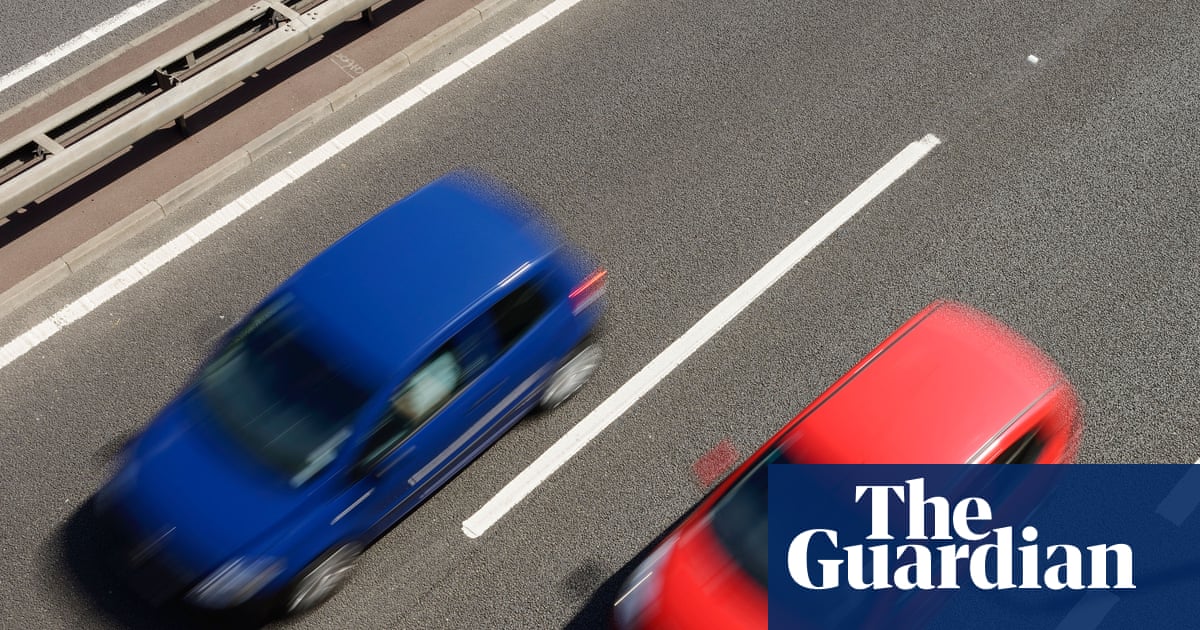
Those who use the bike know this very well: in the city, speeding motorists overtaking other cars, only get one thing: they arrive first to the next red.
With a simple model, the author estimated the probability that one car that overtakes another, will then be reached again at a later red light. Then he estimated the probability that the same thing will happen when there are multiple successive traffic lights, as usual in the cities.
The result is that as fast as an aggressive driver goes, the presence of multiple traffic lights makes it virtually certain that a slower driver will catch up
So, if someone aggressively overcomes you, when you reach him at the next traffic light, you can tell him that it is mathematically proven that he/she is an idiot.
In addition, this study has implications for the 30 km/h city, demonstrating how in urban areas the traffic lights determine the travel times, not the maximum speed reachable between one traffic light and the next.
The original scientific article is here: https://royalsocietypublishing.org/rsos/article/13/4/260310/481212/The-Voorhees-law-of-traffic-a-stochastic-model
crossposted from: https://poliversity.it/users/rivoluzioneurbanamobilita/statuses/116419204210303856
I see this every week when I drive to the office. Most of the route is 20mph and single lane. I go at the speed limit and every 2/3 weeks one will overtake me. I’ll then see them at the next light, then there next one, then the roundabout, etc for the next 30 minutes. I’ll usually then go past them as theres one junction with 2 lanes and they always seem to go in the “fast” lane so they end up behind me when it goes down to one. Makes me so happy everytime!
Sometimes you see it when walking even in a black traffic spot - you’ll get to the lights before the cars you’ve passed sitting there.
Im doing to build my fitness up to cycle the route and think it’ll take roughly the same time.
Unfortunately the route is really difficult and long on public transport - it’s easy to get into central and back but trying to go across the edge to the other side was never designed for