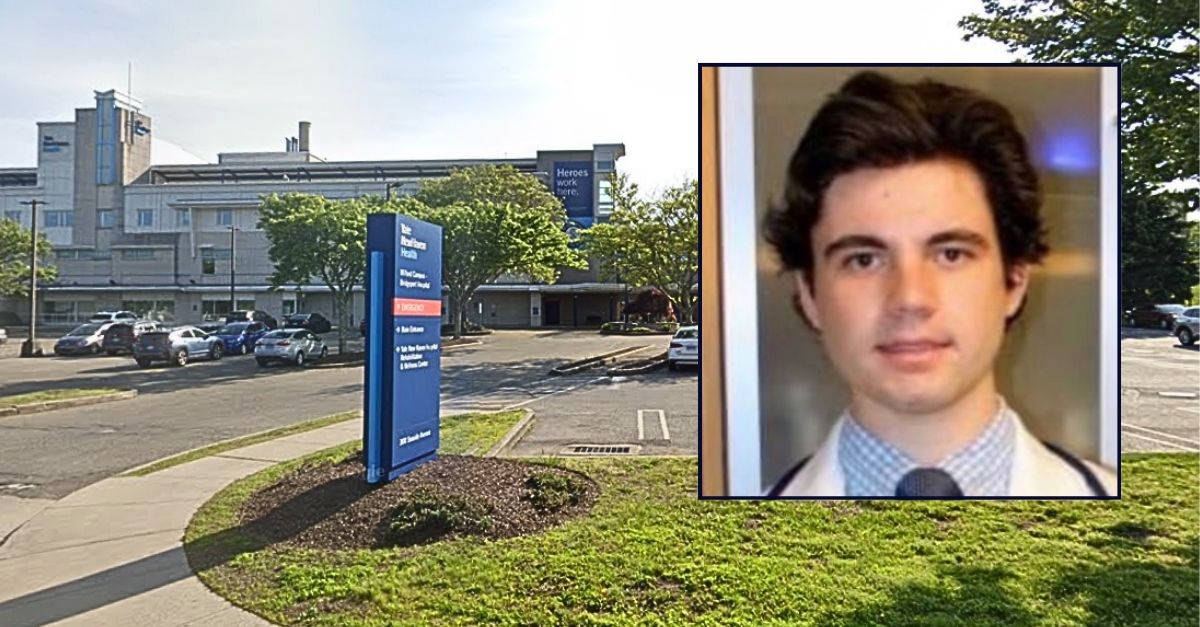
A 26-year-old dental student in Connecticut died in an intensive care unit that was overseen by a remote "tele-health" doctor who pronounced him dead on a video screen, a lawsuit says.
You mean five percent of the money they make when they decide these immoral choices? Which then gets appealed to a high court and reduced to one-tenth of one percent?
Totally depends. Usually in medical cases like this the margins for a hospital are thinner than you think. Healthcare gets so expensive thanks to all the middlemen.
It’s a bit different than a company pollutes river and it costs 10 million in fines but they save 30 million.
In this case if the family wins the suit it can open up even more until it becomes unsustainable. It all depends on what is established in this case, the precedent alone could be effective in banning it.

You mean five percent of the money they make when they decide these immoral choices? Which then gets appealed to a high court and reduced to one-tenth of one percent?
Totally depends. Usually in medical cases like this the margins for a hospital are thinner than you think. Healthcare gets so expensive thanks to all the middlemen.
It’s a bit different than a company pollutes river and it costs 10 million in fines but they save 30 million.
In this case if the family wins the suit it can open up even more until it becomes unsustainable. It all depends on what is established in this case, the precedent alone could be effective in banning it.
I’d prefer legislation of course